How Manufacturers That Sell Through Dealers Can Build a Brand Online
Factory, range and dealer network in place, but nothing a customer can see online. Here is how to build the foundation in the right order.
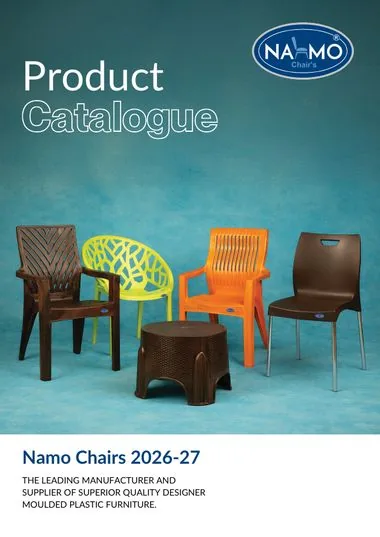
Many Indian manufacturers are in the same position: a strong product, a working factory and a dealer network, but no brand anyone can see. Customers buy what the dealer recommends, and the dealer recommends whatever earns the best margin.
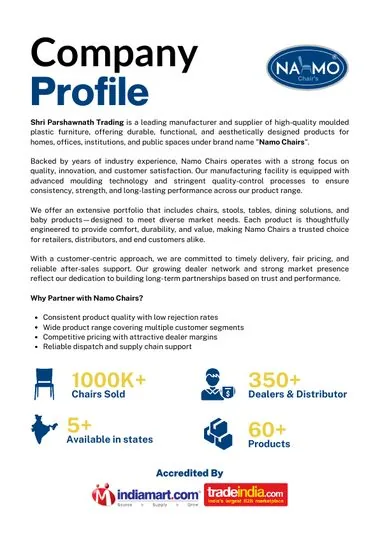
Namo Chairs, a moulded furniture maker in Shirur near Pune with 60+ products and 350+ dealers, came to us with exactly this. Eight months later, every foundation is in place. Here’s the order we did it in.
Step 1: Organise your product data
Before any design, we put every product into a spreadsheet: names, model numbers, colours and categories. It sounds boring, but it’s the backbone for catalogues, websites, e-commerce listings and dealer orders.
Step 2: Professional product photography
Clean studio shots of the full range, ready for print, social media, marketplaces and dealer WhatsApp groups. Good photos get reused hundreds of times.
Step 3: A catalogue dealers actually use
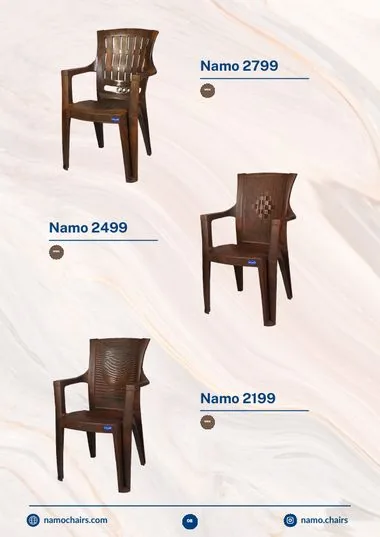
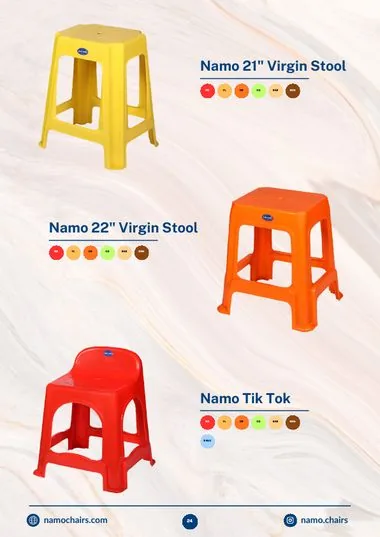
We built a 60-page catalogue: company profile, every chair, stool, table and baby product with colour options, and a dealer partnership section. It’s now the base for every sales conversation.


Step 4: Check your name and logo
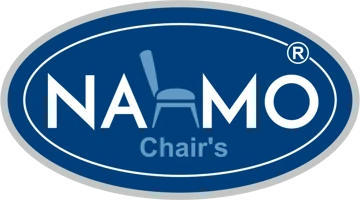
We noticed Namo’s trademark was registered as Namo, not “Namo Chairs”, and its chair-shaped logo didn’t suit stools, tables or baby products. We designed a new logo around the registered name, with a sub-brand for baby products. The trademark application is in process.
If your logo only fits one product, it will hold you back as your range grows.
Step 5: Social media that sells to end customers
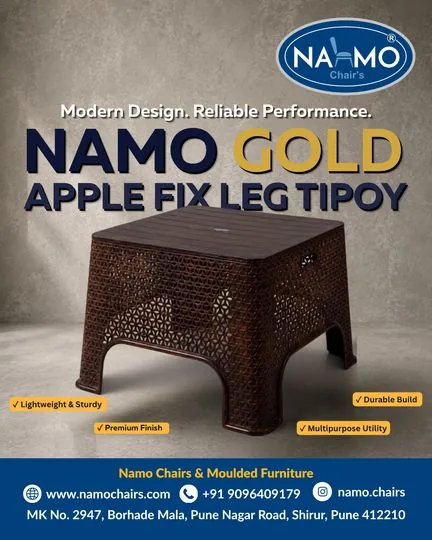
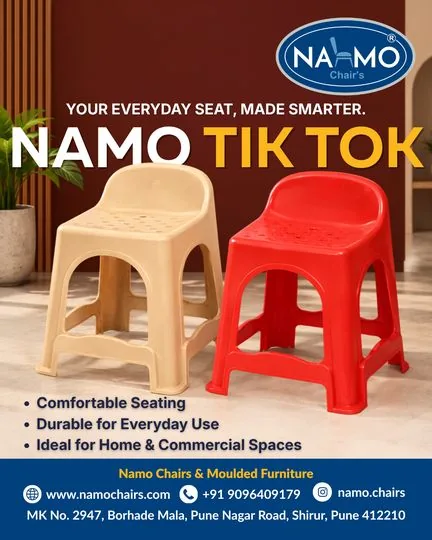
Dealers stock what customers ask for. So we opened Instagram and Facebook and tested formats. Reels with real people explaining the products won clearly: Instagram views grew 779.7% and reach 1,700% in 2026.
Why this helps your dealers
- They get ready-made photos, catalogues and Reels to share with their own customers.
- Customers arrive already asking for your brand by name.
- A strong brand justifies better pricing than unbranded competitors.
The foundation checklist
- Product data sheet for the full range
- Professional product photography
- Printed and digital catalogue
- Logo that fits the whole range and matches the trademark
- Active Instagram and Facebook with a consistent look
- Dealer kit: photos, catalogue PDF and ready-to-share posts
FAQ
Why should a manufacturer invest in social media if it sells through dealers?
Because dealers stock what customers ask for. A visible brand creates demand that pulls through the dealer network.
What should a manufacturer build first?
Product data, photography and a catalogue. Everything else, including social media and websites, depends on them.
More from the blog.
 Social media
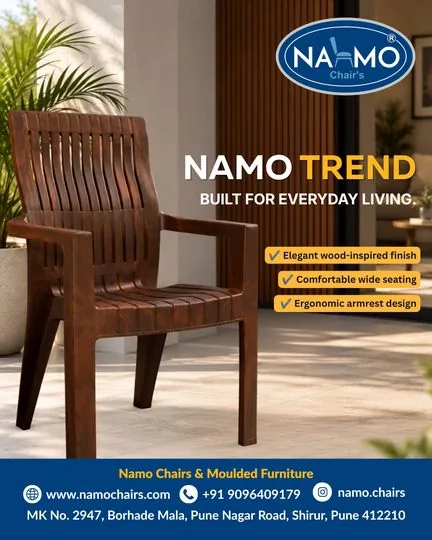
Motion Reels vs Face Reels: What Grew Namo Chairs’ Instagram Views by 779.7%
We ran a real test on a manufacturer’s Instagram: three months of animated product Reels, then two months of real people on camera. The difference was not small.
Read article → Case story
How a 34-Year-Old Pav Bhaji Brand Reached 357K Views on Instagram and Facebook
A third-generation food business, zero brand identity and a family that doubted Instagram. Here is what changed, and the numbers that proved it.
Read article → Branding
From a Blouse Store to a Fashion Brand: Why Naming Matters
The client wanted a blouse store called Divine Collection. We suggested a bigger idea and a better name. Here is why both mattered.
Read article →Your vision.
Our mission.
Tell us about your business. We’ll audit where you stand and send a plan with scope and monthly deliverables.